Linking Your Accounts for Seamless Data Flow
Audience targeting represents one of the most powerful levers in digital marketing, and leveraging your existing website visitor data for remarketing campaigns can dramatically improve your ROI. When you combine the rich behavioral insights from Google Analytics with the targeting capabilities of Google Ads, you create sophisticated remarketing campaigns that speak directly to users' demonstrated interests and behaviors.
This comprehensive guide walks you through the strategic process of creating custom audiences in Google Analytics and seamlessly transferring them to Google Ads for remarketing across search and display networks. The key lies in understanding not just the technical steps, but how to segment your audiences for maximum campaign effectiveness.
Your first critical step involves establishing a robust connection between Google Analytics and Google Ads. Without proper account linking, your valuable audience data remains siloed and unusable for remarketing purposes.
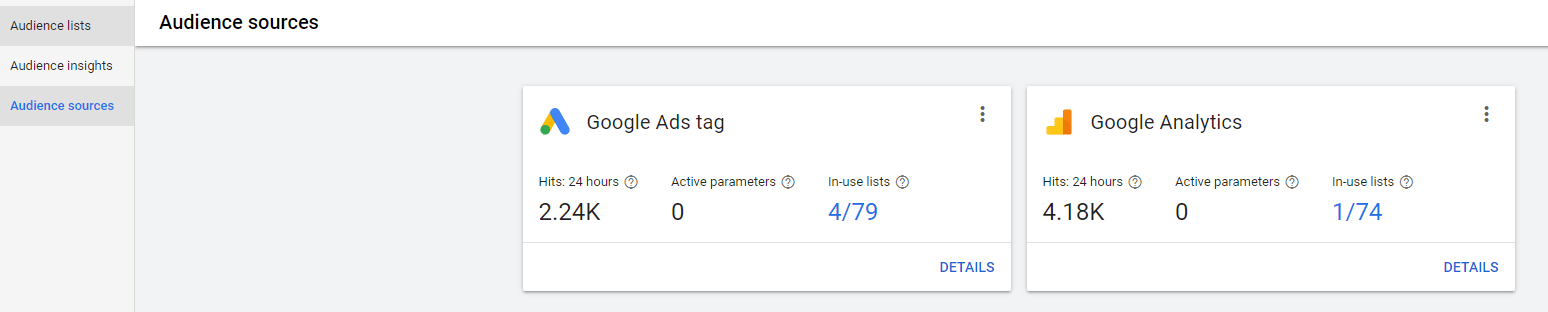
Navigate to Google Ads and access Tools & Settings from the top navigation menu. Select Audience Library, then Audience Sources—here you'll find your Google Analytics integration options. If the connection hasn't been established, you'll see a clear setup pathway to link your accounts. This bidirectional connection enables real-time audience sharing and conversion tracking across both platforms.
Building Strategic Segments in Google Analytics
With your accounts properly connected, you can now harness Google Analytics' sophisticated segmentation capabilities to create precisely targeted audience groups. The quality of your remarketing campaigns depends entirely on how thoughtfully you construct these initial segments.
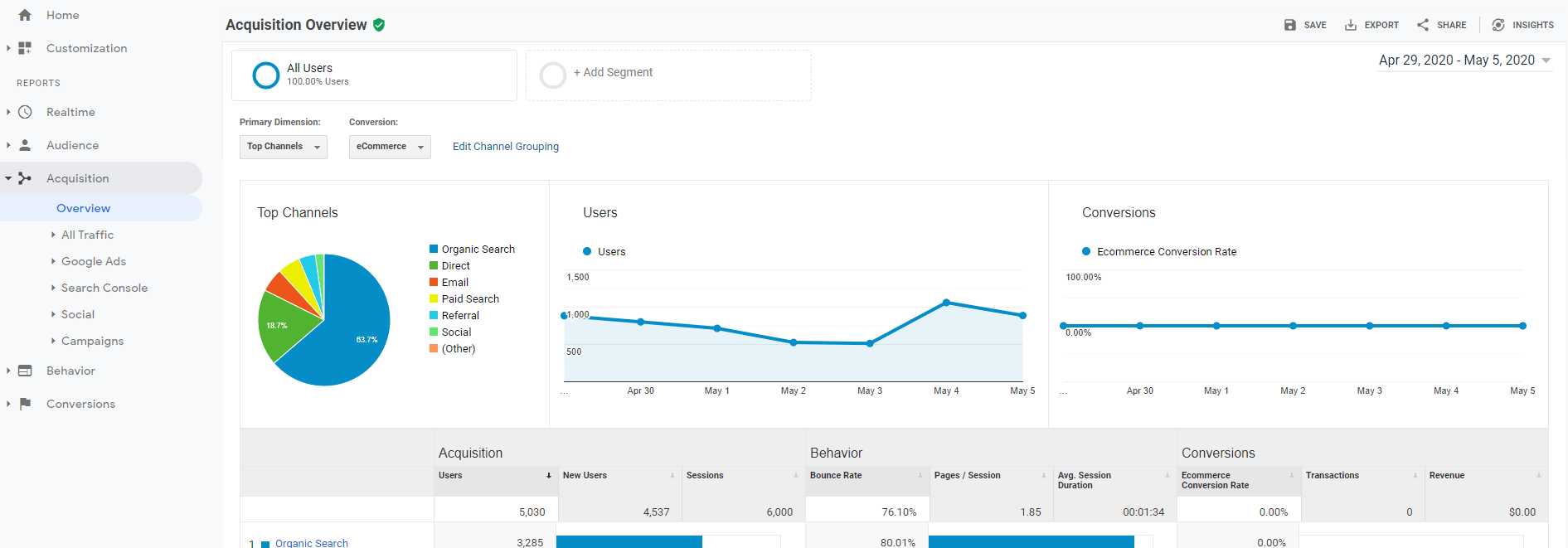
Within any Google Analytics report, locate and click "Add Segment" to begin the audience creation process. This feature allows you to define specific user behaviors, demographics, and engagement patterns that align with your marketing objectives.

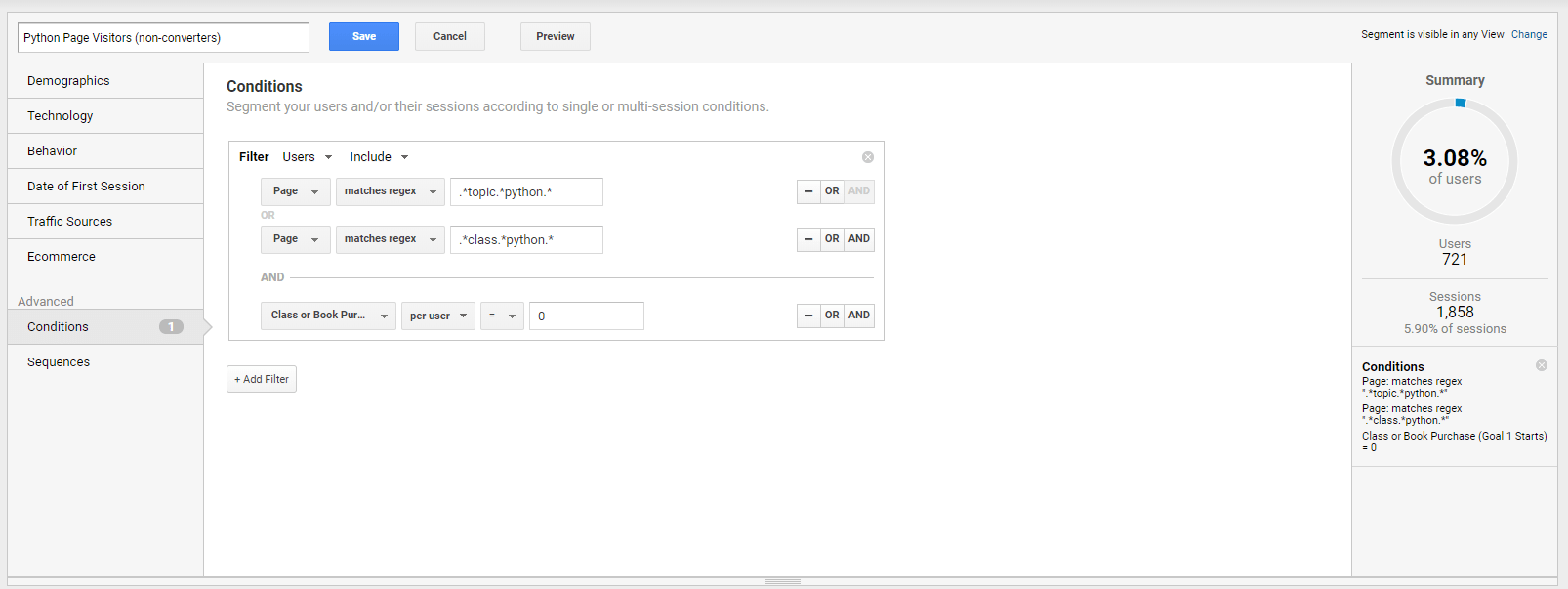
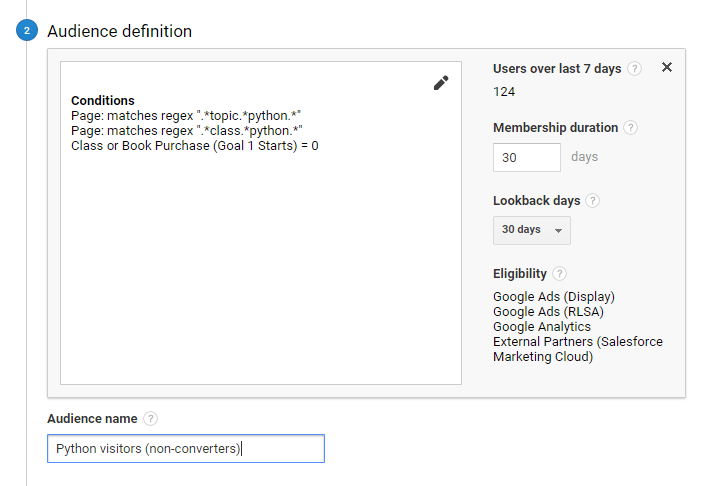
When crafting your segments, think strategically about user intent and journey stage. In this example, I'm building an audience of users who visited Python course pages using regex pattern matching—indicating clear interest in Python education. Crucially, I'm applying an exclusion filter to remove users who have already converted, ensuring my remarketing budget targets genuinely warm prospects rather than existing customers.
The preview panel on the right provides immediate feedback on segment size and historical data, allowing you to validate your logic before committing resources. This real-time validation prevents the common mistake of creating segments that are either too broad (wasting ad spend) or too narrow (limiting reach).
Once you're satisfied with the segment configuration and preview data, save your audience with a descriptive name that clearly indicates its purpose and targeting criteria.
Seamlessly Transferring Audiences to Google Ads
Now comes the pivotal step of making your carefully crafted Analytics segments available for remarketing campaigns. This process transforms passive website data into active marketing assets.
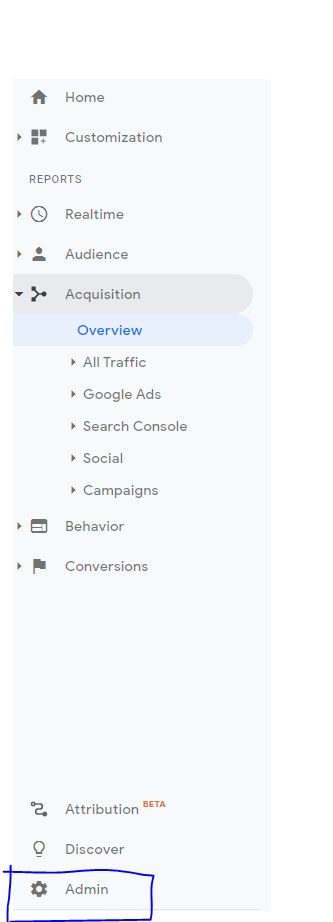
In Google Analytics, access the Admin section and navigate to Audience Definitions. This centralized hub manages all your audience exports and integrations across Google's marketing ecosystem.
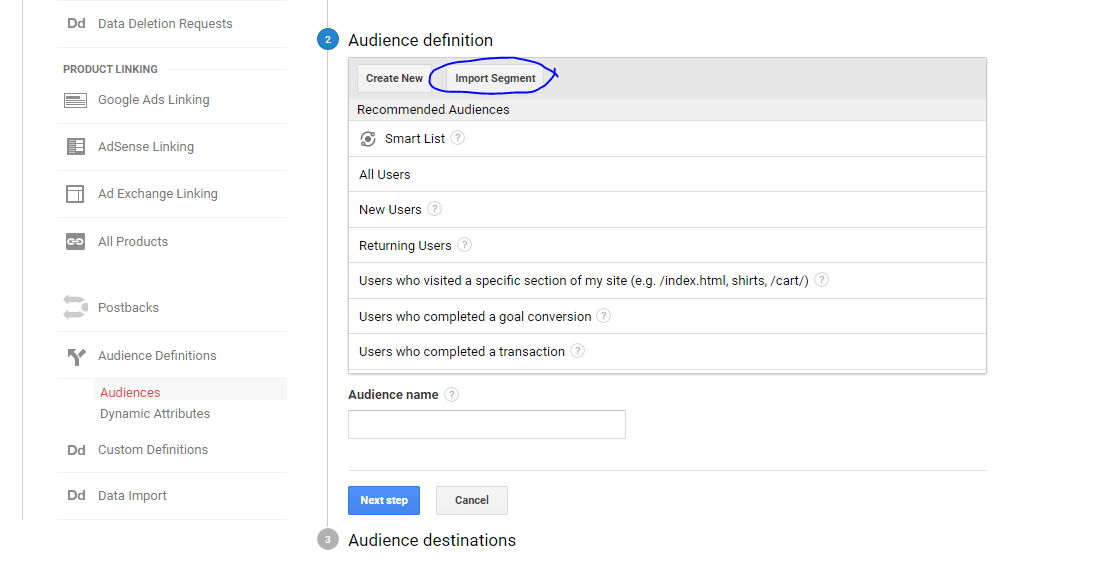
Select your target Google Ads account as the audience destination—particularly important for agencies or businesses managing multiple ad accounts. Click Publish to initiate the transfer. Google's systems typically process this handoff within minutes, though complex segments may take slightly longer to populate.
Verify successful transfer by returning to Google Ads and navigating to Tools > Audience Library > Audience Lists. Your newly created audience should appear here, ready for campaign integration. Note that audience size may initially show as building while Google accumulates sufficient data for targeting.
Advance Your Digital Marketing Expertise
Mastering audience targeting and remarketing strategy requires both technical proficiency and strategic thinking. These foundational skills separate successful digital marketers from those who struggle with campaign performance and budget efficiency.
Deepen your expertise through our comprehensive digital marketing education programs. Our Google Ads training covers advanced targeting strategies and campaign optimization, while our Google Analytics classes dive deep into audience analysis and behavioral insights. For professionals seeking comprehensive skills, our Digital Marketing Certificate program integrates both platforms within a broader strategic framework, preparing you for senior marketing roles in today's data-driven landscape.