Keywords
When users enter queries into search engines, they're crafting a digital fingerprint of their intent through carefully chosen keywords. As digital marketers, our success hinges on decoding these search patterns—understanding not just what terms people use, but why they're searching and how we can align our content strategy to meet their needs.
Whether you're developing an SEO strategy or launching SEM campaigns, keyword research forms the foundation of everything that follows. Think of it as market research for the digital age: just as successful businesses must intimately understand their target audience, successful digital marketers must master the language their prospects use when seeking solutions.
Essential Keyword Research Components
Search Intent
Understanding what users actually want when they search for specific terms. This drives how you optimize your content and campaigns.
Keyword Identification
Discovering the specific words and phrases your target audience uses when searching for your products or services.
Optimization Strategy
Using keyword insights to improve both SEO rankings and SEM campaign performance across all digital channels.
Example: Custom T-Shirts
Let's examine this through a practical lens. Imagine you're running a boutique custom t-shirt business that's built a reputation for premium quality across corporate events, sports teams, and special occasions. Your company has thrived on referrals and local networking, but now you're ready to scale through digital channels. A strategic approach combining SEO and SEM will help you capture demand from prospects actively searching for custom apparel solutions—but first, you need to understand exactly how they're searching.
This scenario illustrates a common challenge: businesses often assume they know how customers search, only to discover that real search behavior differs significantly from their assumptions. The gap between business terminology and customer language can make or break a digital marketing strategy.
Digital Expansion Journey
Word of Mouth Sales
Initial business growth through referrals and local reputation
Digital Presence Goal
Decision to expand reach through online marketing channels
Combined SEO and SEM Strategy
Implementation of comprehensive search marketing approach
Keyword Planner
Effective keyword research begins with robust data collection, and Google Ads Keyword Planner remains one of the most comprehensive tools available for this purpose. While newer AI-powered tools have emerged, Google's planner provides direct insights from the world's dominant search engine, making it invaluable for understanding actual search demand.
Start with your obvious primary terms—"custom t-shirts," "custom tees," "personalized shirts"—but don't stop there. The real value lies in uncovering adjacent opportunities that reveal how your market actually thinks and searches. You might discover high-volume terms like "corporate event apparel," "team building t-shirts," or "family reunion shirts" that represent entirely new customer segments. These discoveries often reveal profitable niches with less competition than your primary keywords.
Modern keyword research also means understanding seasonal patterns, geographic variations, and emerging trends. The data will show you not just what people search for, but when they search most actively, allowing you to time your campaigns for maximum impact.
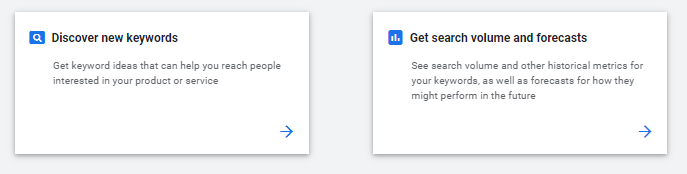
Using Google Ads Keyword Planner
Start with obvious keywords
Begin with terms like 'custom t-shirts' and 'custom tees' that directly relate to your product or service
Analyze search volume and competition
Review monthly search volumes and estimated bid ranges to understand market demand and competitive landscape
Discover related terms
Explore keyword suggestions to find unexpected opportunities like 't-shirts for corporate events' or 't-shirts for sports teams'
You may discover related terms you hadn't considered, such as niche markets or specific use cases. These unexpected keywords often have less competition and highly targeted audiences.
Competition
Understanding your competitive landscape requires a multi-layered approach that goes beyond simple Google searches. While manually checking search results for your target keywords provides valuable initial insights, sophisticated competitors are likely using advanced tools and strategies that aren't immediately visible.
Google's Keyword Planner reveals bid ranges and competition levels for paid search, giving you a clear picture of how much competitors are willing to invest in specific terms. However, complement this with tools like SEMrush, Ahrefs, or Moz to understand organic competition, content gaps, and emerging competitors who might not yet appear in top search results but are building momentum.
Pay particular attention to SERP features—featured snippets, local packs, shopping results—that might affect your visibility even if you rank well organically. In 2026's search landscape, traditional "10 blue links" results represent just one piece of a complex visibility puzzle.
Competitive Analysis Tools
Google Search Results
Direct analysis of who ranks for your target keywords. Simple but effective for understanding the competitive landscape.
Google Ads Auction Insights
Monitor your performance relative to competitors in paid search. Track impression share and position metrics over time.
Third-party Tools
Platforms like SEMRush provide comprehensive competitor analysis including keyword gaps and ranking opportunities.
Tailoring Content
Keyword insights should directly inform your content architecture and messaging strategy. If research reveals significant search volume for "corporate event t-shirts," this represents more than just an SEO opportunity—it's market validation for creating dedicated landing pages, specialized service offerings, and targeted campaigns.
Develop content that matches both the keyword and the intent behind it. A page optimized for "corporate event t-shirts" should address business buyers' specific concerns: bulk pricing, delivery timelines, design approval processes, and invoice payment options. This alignment between search intent and content experience improves both search rankings and conversion rates.
Consider the full customer journey when mapping keywords to content. Early-stage searchers using terms like "custom t-shirt ideas" need inspiration and education, while those searching "bulk custom t-shirts quote" are ready to make purchasing decisions. Your content strategy should serve both audiences with appropriate calls-to-action.
If people search a lot for 't-shirts for corporate events' and we think we could generate lots of sales from corporate clients, we may want to create a dedicated page titled 'T-shirts for Corporate Events'Content Optimization Process
Identify high-opportunity keywords
Find keywords with good search volume that align with your business capabilities and target market
Create dedicated content pages
Develop specific pages targeting these keywords with relevant content, pricing, and product information
Optimize for search ranking
Structure content to improve chances of ranking highly for targeted searches and driving qualified traffic
Key Takeaways
Mastering keyword research transforms digital marketing from guesswork into strategic precision. Success requires continuous research, competitive monitoring, and iterative optimization based on performance data. The search landscape evolves constantly, making ongoing keyword analysis essential rather than optional.
Establish a systematic approach using an Excel spreadsheet or dedicated SEO tool to track your keyword portfolio. Document search volumes, competition levels, current rankings, content gaps, and campaign performance for each target term. This organized approach enables data-driven decisions and helps identify opportunities for expansion or optimization.
Keyword Research Organization System
Organize your research for easy reference and strategic planning
Understand the potential traffic opportunity for prioritization
Assess the difficulty and cost of ranking for each term
Connect your content strategy to your keyword research
Plan your SEM campaigns based on research insights